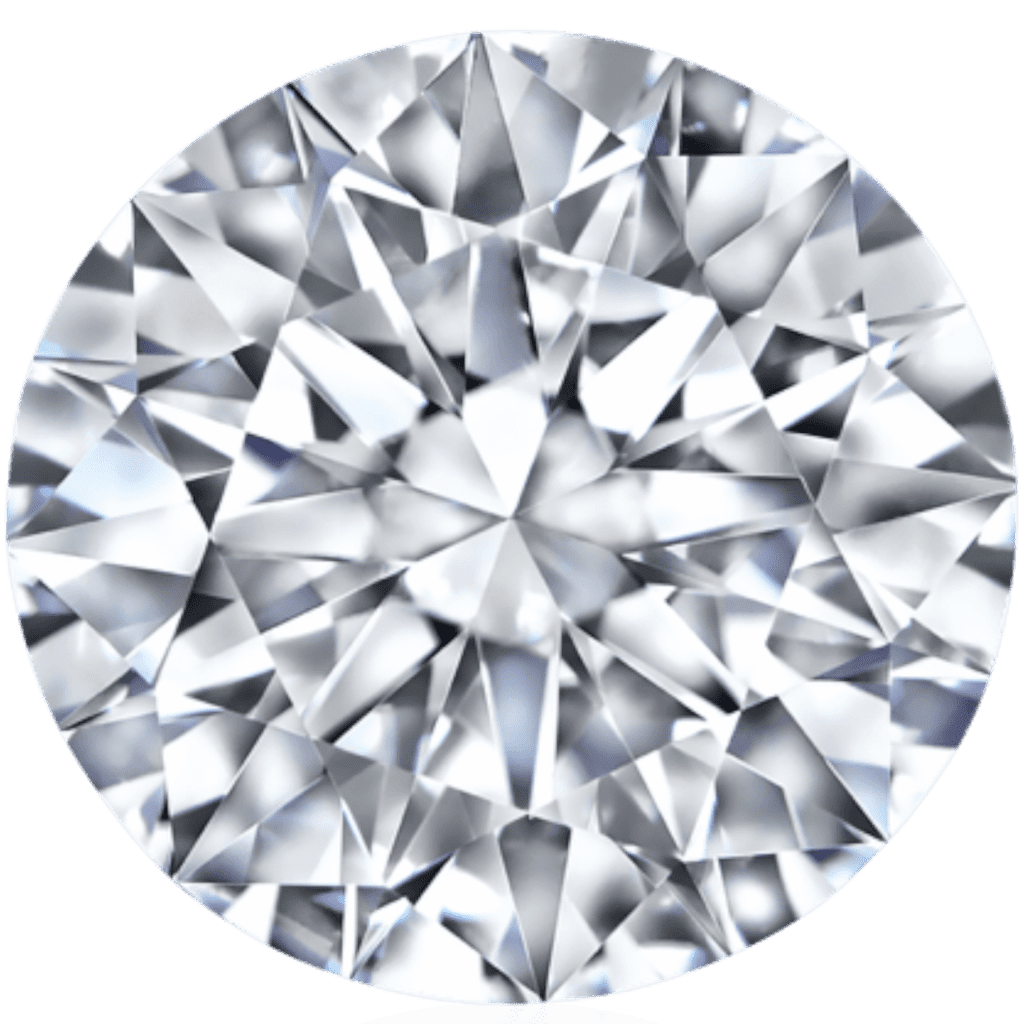
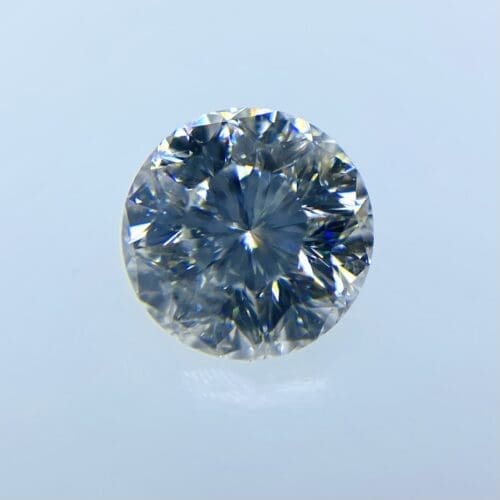
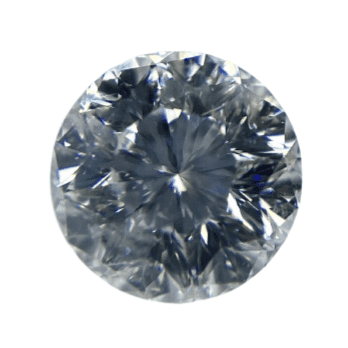
The round brilliant cut is the most popular shape because of its incredible sparkle. It was created in 1919 by Marcel Tolkowsky, who calculated the perfect angles to reflect the most light. With 58 facets, this shape is timeless and works well in all types of jewelry.
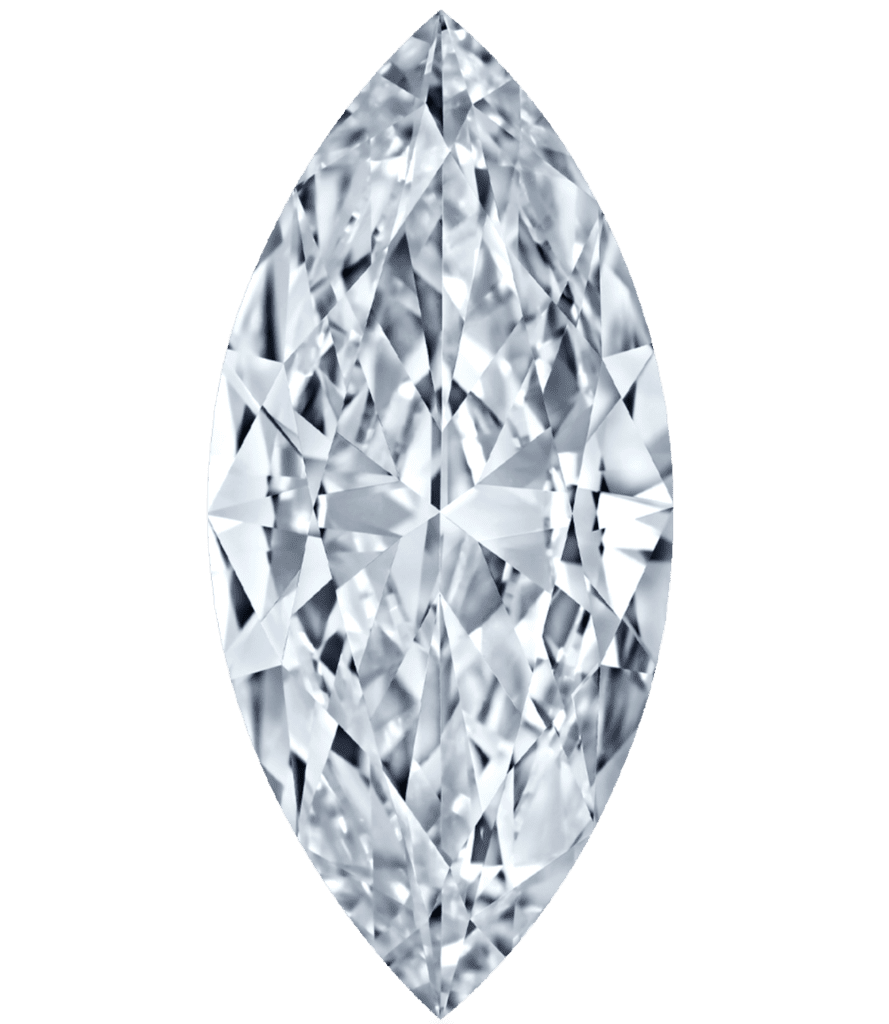
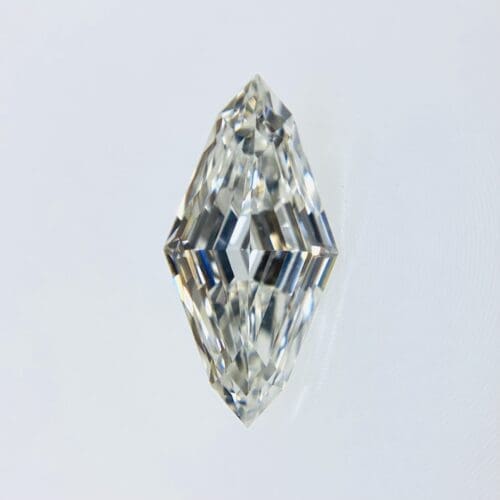
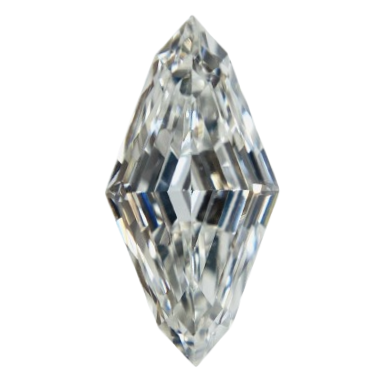
The marquise cut was designed in the 18th century for King Louis XV of France. Its long, pointed shape was meant to resemble the lips of his mistress, the Marquise de Pompadour. This elegant cut makes diamonds look larger and adds a royal touch to jewelry.
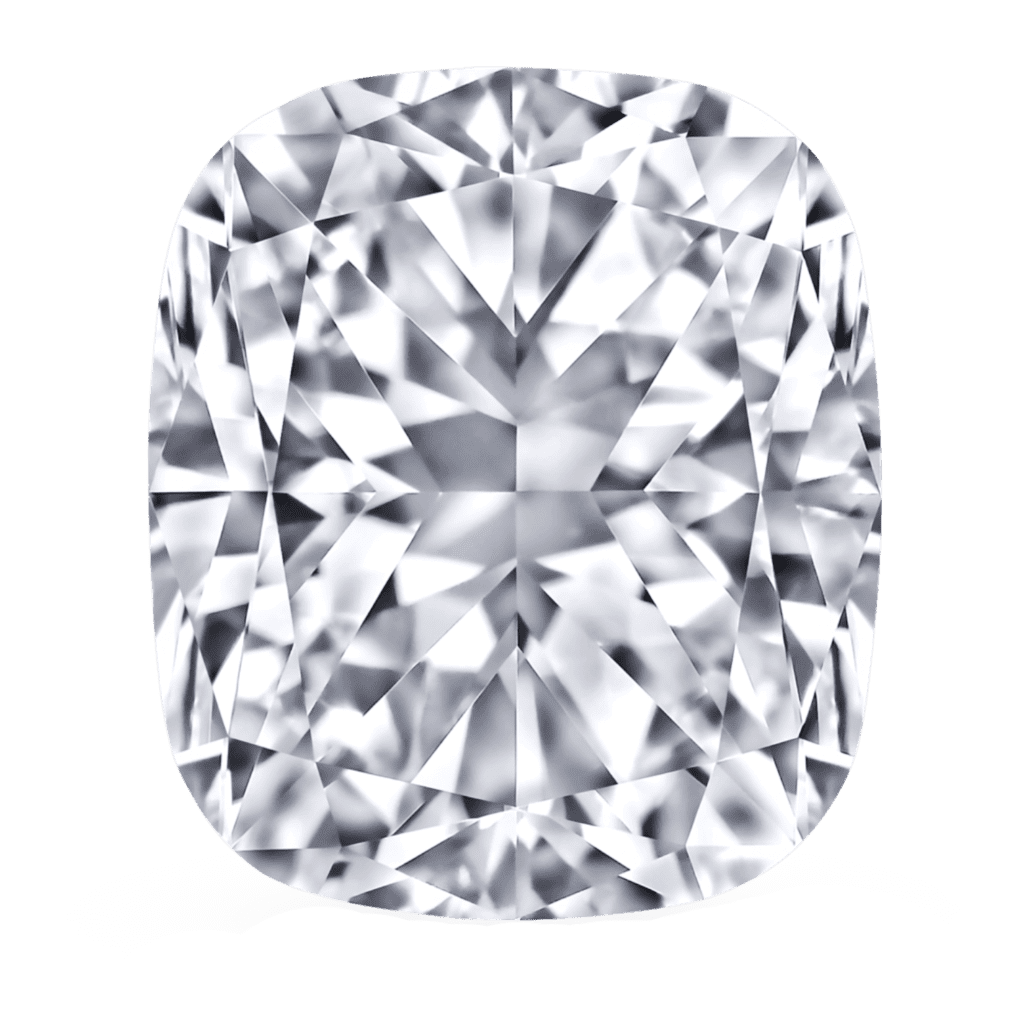
The cushion cut, also known as the “pillow cut,” has been around since the 18th century. It has rounded corners and large facets that enhance its sparkle and clarity. Its vintage charm has made it popular again in recent years.
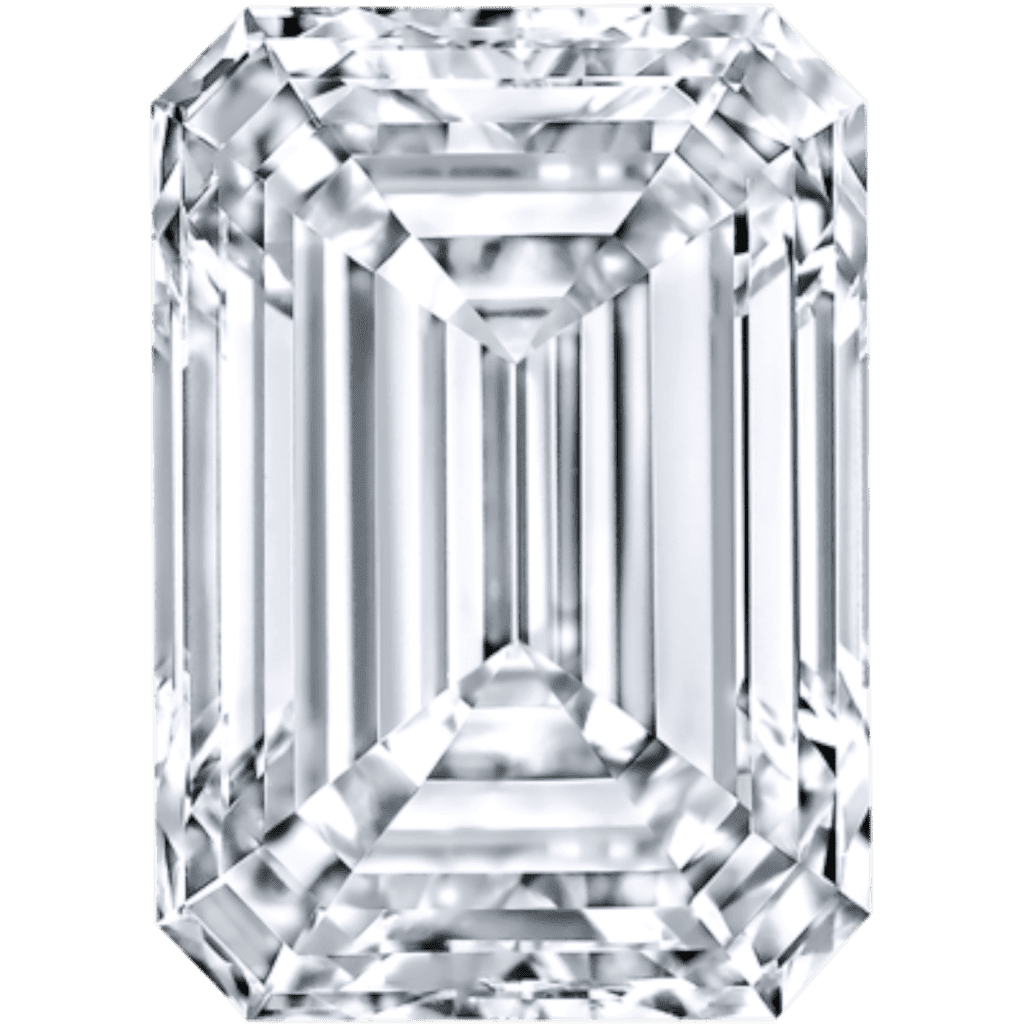
The emerald cut is a rectangular shape with step-cut facets that create a “hall of mirrors” effect. It was first designed for emerald gemstones but later adapted for diamonds. This elegant shape became especially popular during the Art Deco era.
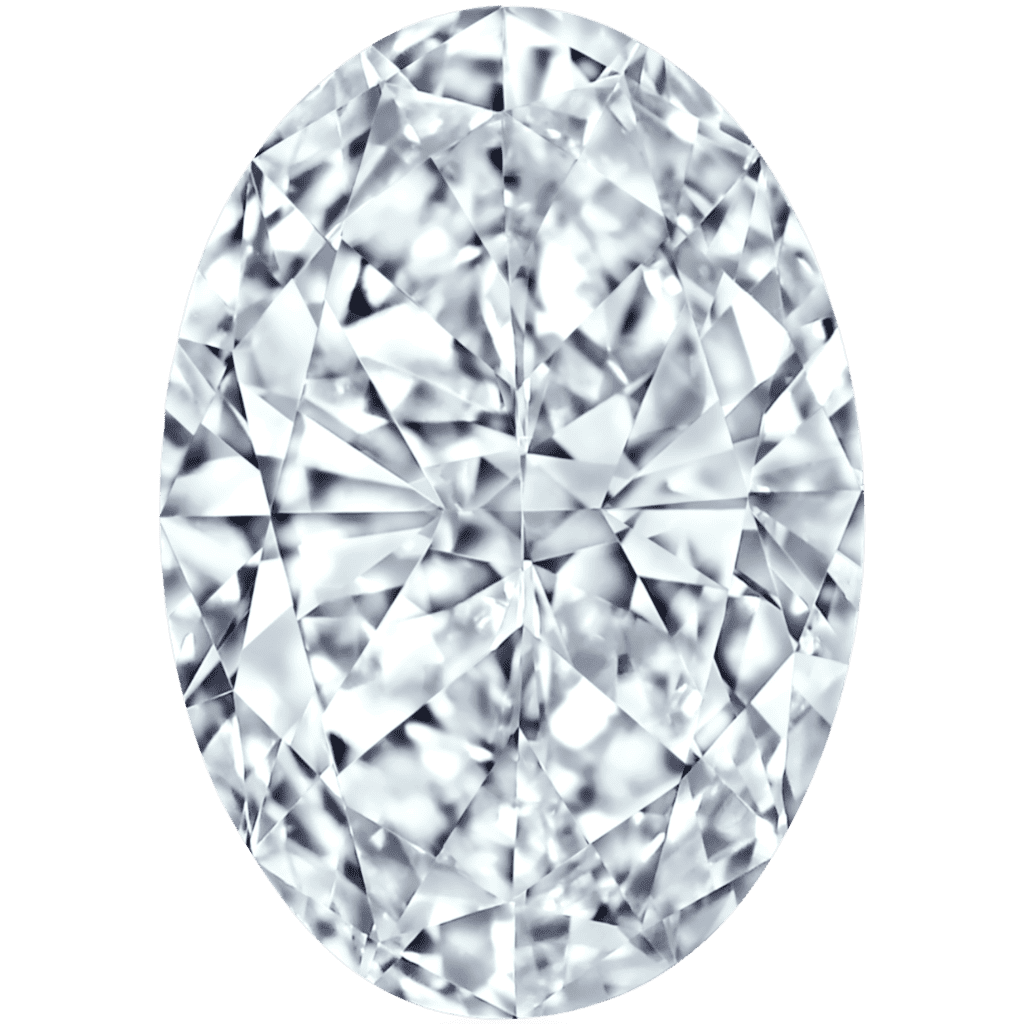
The oval cut was created in the 1960s by Lazare Kaplan, a Russian diamond cutter. It combines the sparkle of a round cut with a longer shape, which can make fingers look slimmer. Its even design makes it a classic yet unique choice.
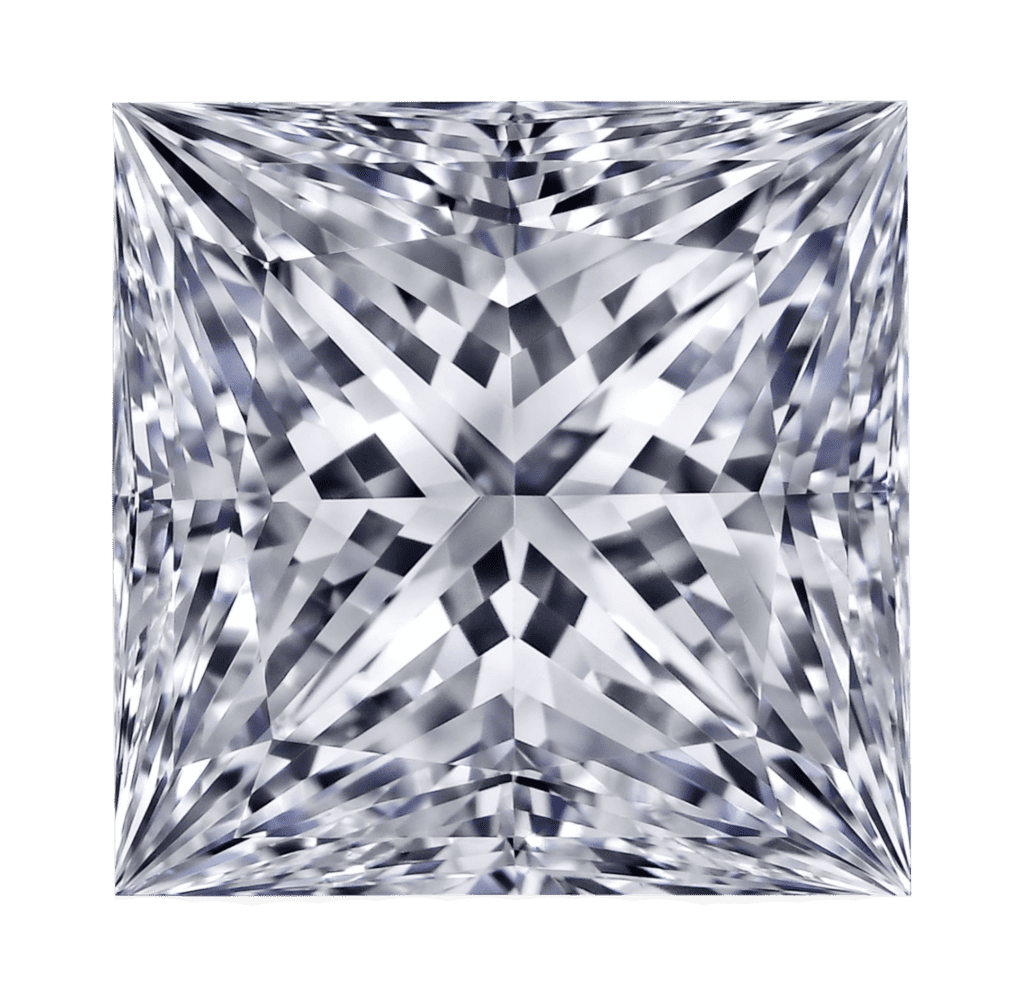
The princess cut is a square or rectangular shape with sharp corners and brilliant facets. It was created in the 1960s and is loved for its modern and stylish appearance. This shape uses more of the rough diamond, so there’s less waste compared to other cuts.
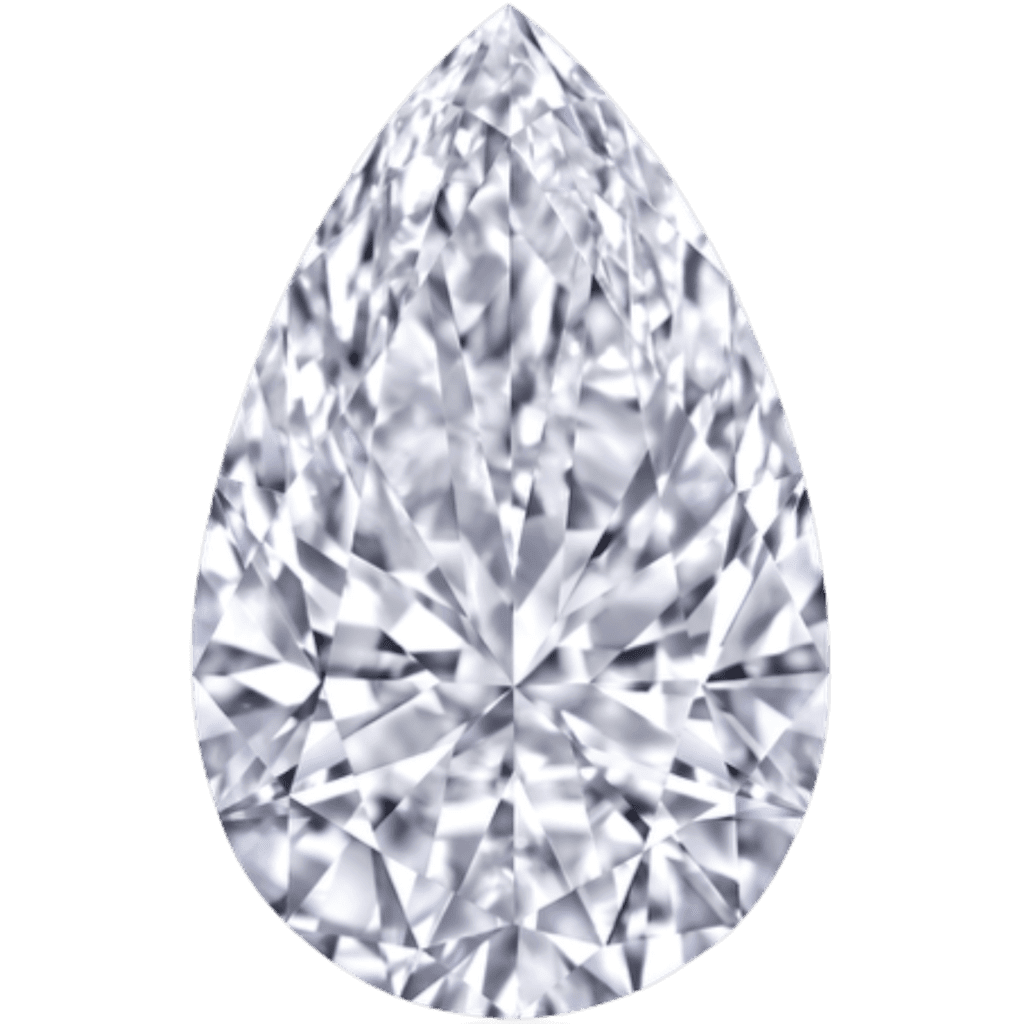
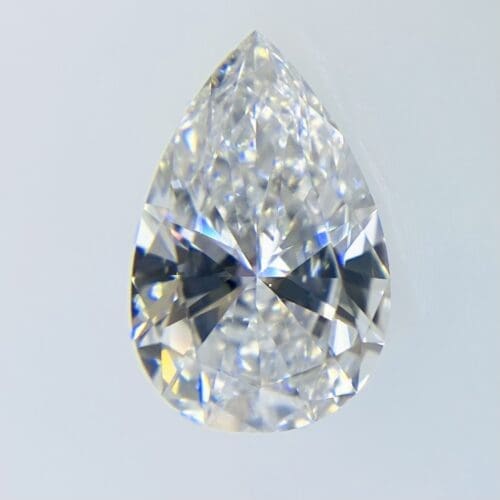
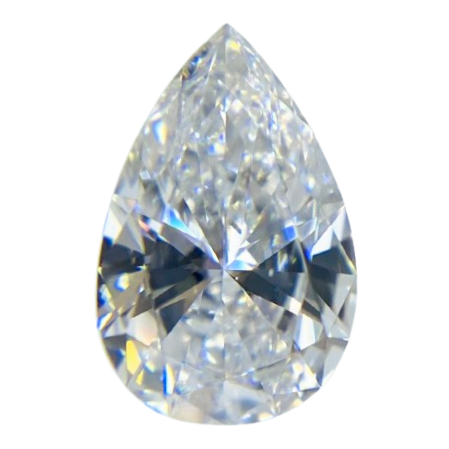
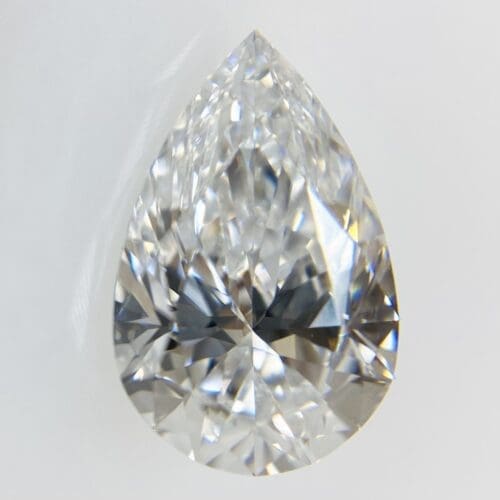
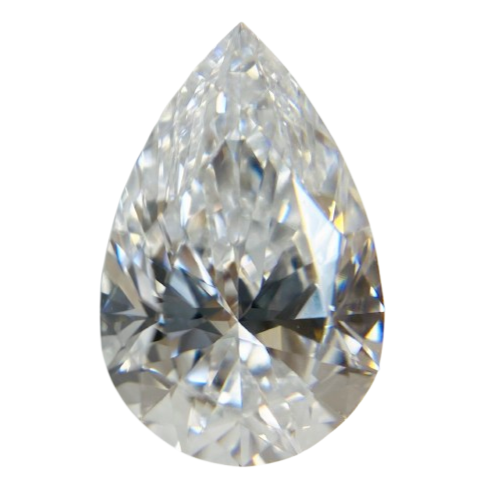
The pear cut, also called a teardrop shape, combines the round and marquise cuts. It was invented in the 15th century by Lodewyk van Bercken, who developed a tool for better symmetry. This graceful shape is popular in rings, pendants, and earrings.
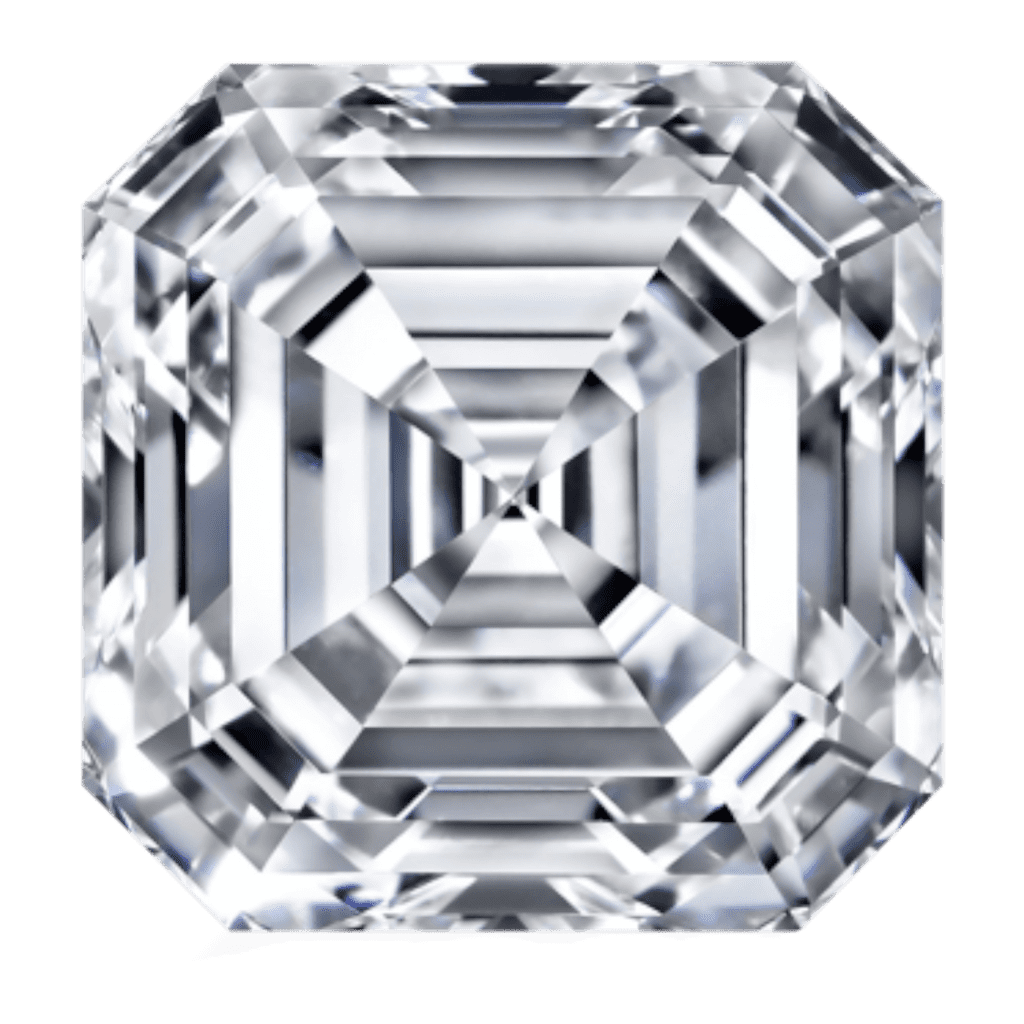
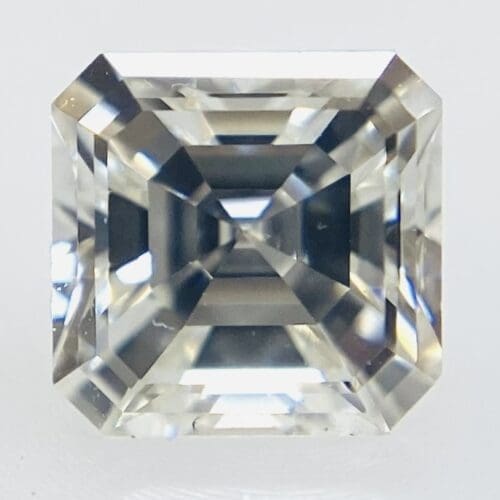
The Asscher cut was created in 1902 by the Asscher Brothers in Holland. It’s a square shape with step-cut facets and a high crown, giving it a bold, vintage look. It became famous during the Art Deco period and saw a revival after being redesigned in 2001.
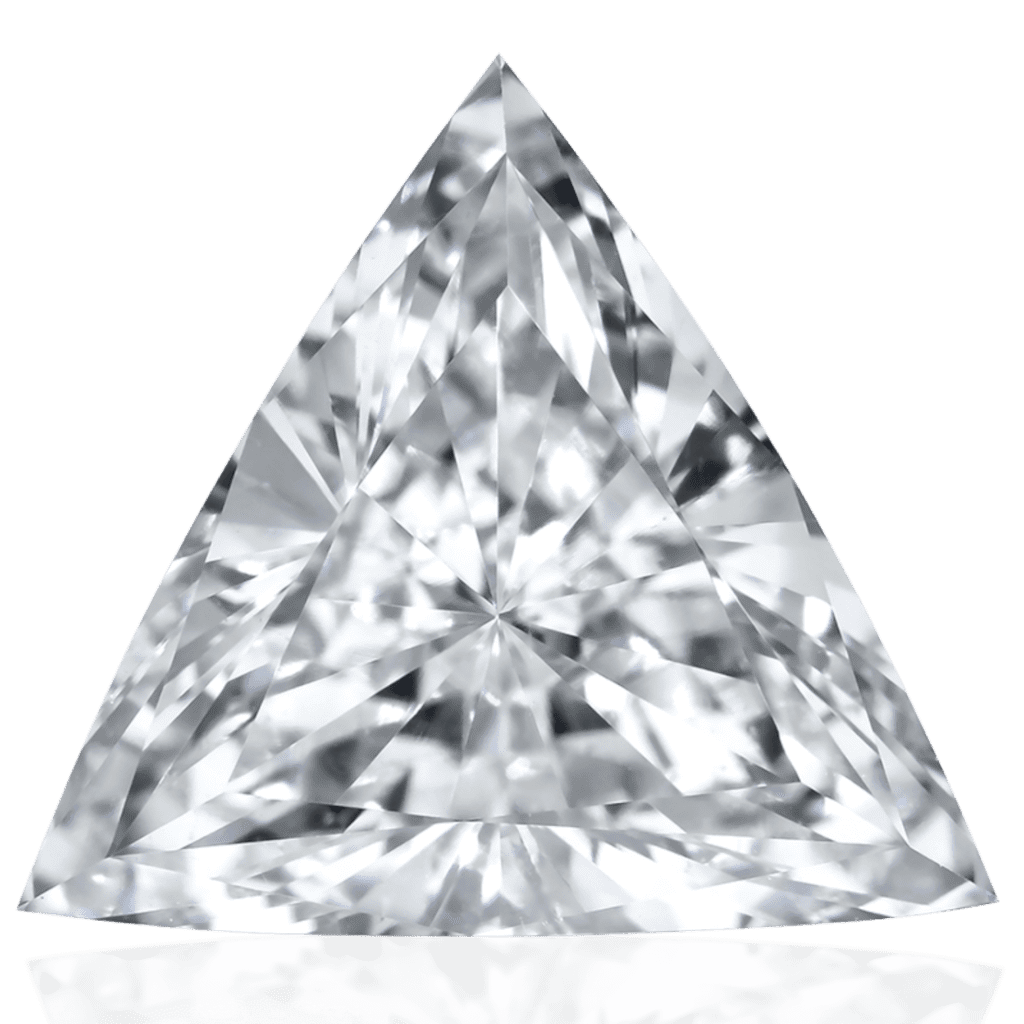
The trillion cut, also known as the triangular cut, has three sides and sharp or curved edges. It was developed in the 20th century and is often used as accent stones but can also stand out on its own. Its bold design adds a modern twist to jewelry.
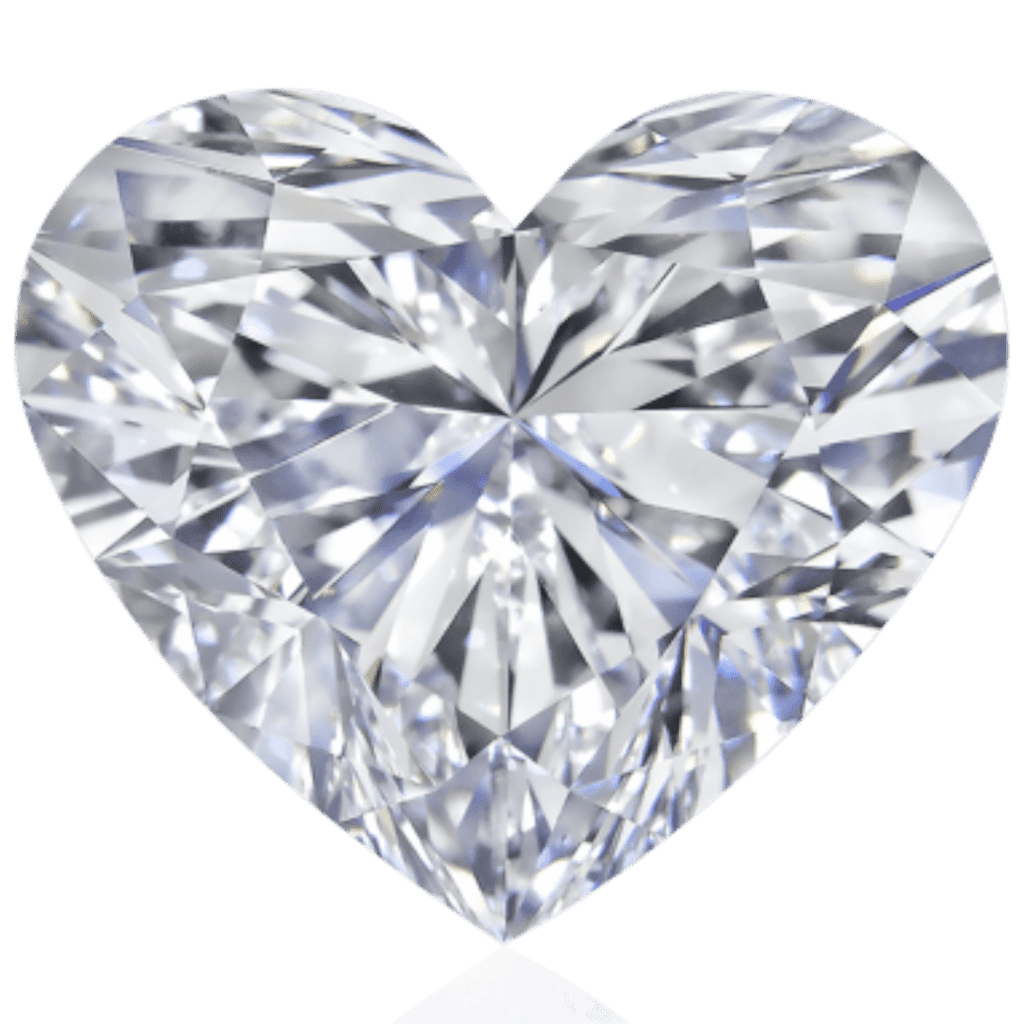
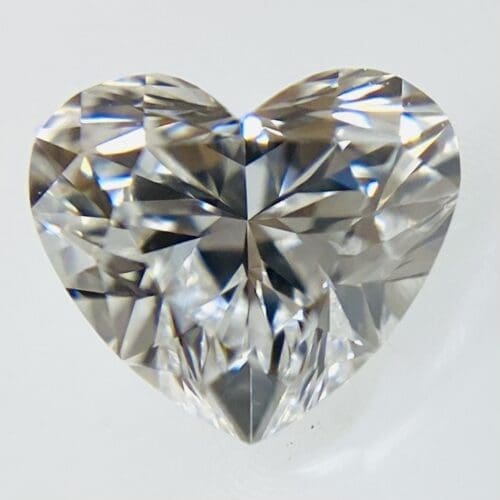
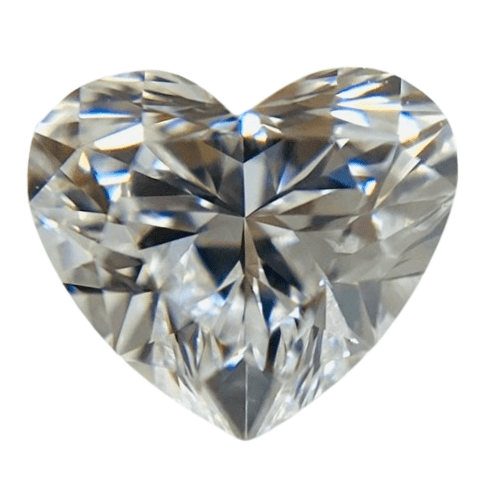
The heart-shaped diamond is a romantic choice that symbolizes love. It has been around since the 16th century and requires a skilled cutter to ensure perfect symmetry. This unique shape is often chosen for engagement rings and special gifts.
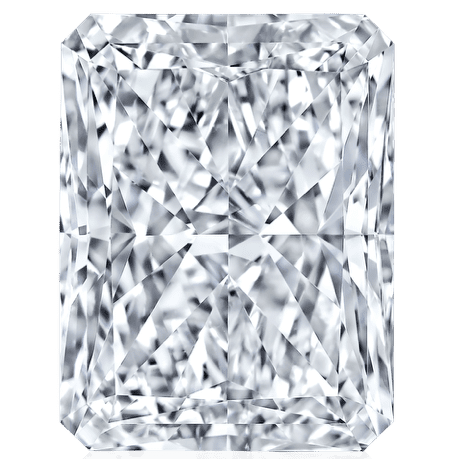
The radiant cut was introduced in 1977 by Henry Grossbard. It combines the brilliance of a round cut with the shape of an emerald cut. Its many facets hide imperfections well and give the diamond an eye-catching sparkle.
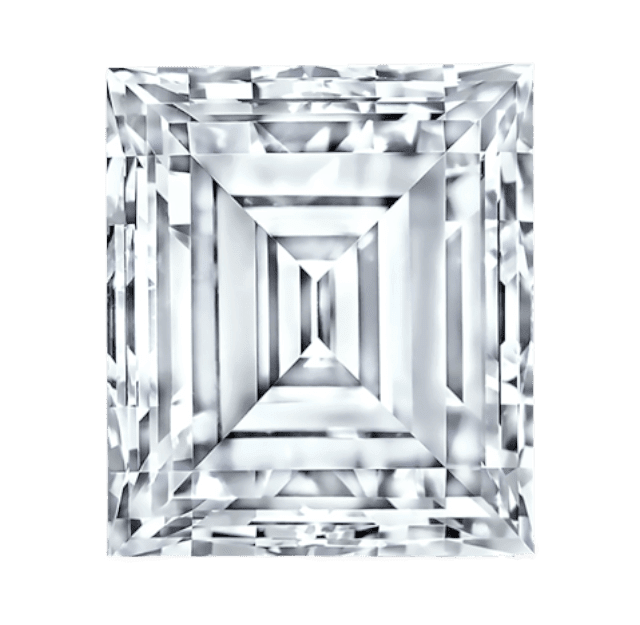
The baguette cut is a rectangular shape with step-cut facets, often used as side stones or accents. Its name comes from the French word for “long loaf,” describing its elongated shape. Popular in the Art Deco era, it gives jewelry a clean and vintage style.
Each diamond shape has its own individual story and beauty, allowing you to choose one that fits your personal style and preferences. We also have a collection of rare unique shaped diamonds.
Hint: The password should be at least eight characters long. To make it stronger, use upper and lower case letters, numbers, and symbols like ! " ? $ % ^ & ).